Water Supply Management
Clean, abundant drinking water is the backbone of any community. MPC works with partners and stakeholders across Northeastern Illinois to ensure appropriate investment, coordinated planning and 21st Century best practices for equitably managing our drinking water supply and systems.
Mismanaging water jeopardizes a critical asset
Northeastern Illinois’ proximity to a Great Lake, multiple rivers and underground aquifers mean that we generally enjoy ample water. But while our region has considerable water assets, we risk mismanagement, jeopardizing communities’ health and economic growth. That’s why we must act collectively. What’s at stake? Public health and safety, especially due to old (sometimes toxic) pipes and aging water treatment systems. Local and regional resiliency during times of crisis. New jobs and regional economic growth. Municipalities and residents hard-pressed to afford the escalating costs to collect, treat and deliver drinking water. And, yes, some communities running out of water within ten to fifteen years.
Sensible regional water supply management
MPC has worked closely with a range of partners for over a decade, assisting local communities and regional and state decision makers in making the most productive use of our water through sensible planning, financing and policies. We are committed to supporting communities and their water utilities by conducting research, developing tools, fostering opportunities for regional collaboration and joint action, and advocating for use of smart practices and policies related to drinking water management.
Between now and 2021, MPC is focused on implementing our 10-point action agenda to ensure our region’s drinking water glass remains full—we are committed to finding and implementing solutions to ensure safe, sustainable and equitable drinking water systems.
To learn more about our Drinking Water 1-2-3 initiative, check out:
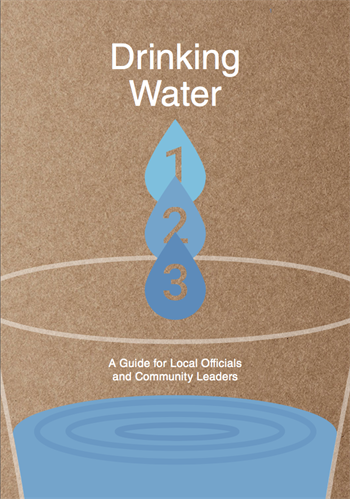
Drinking Water 1-2-3: A guide for elected officials and community leaders to educate and support a better understanding of water management and critical questions and actions needed today.
Drinking Water 1-2-3 Academy: As a follow-on to the guide, MPC has created a peer-to-peer learning exchange and local technical assistance program to assist communities in implementing best practices featured in Drinking Water 1-2-3.
To learn more about our work on Affordability, Coordinated Service, and Financing, check out:
Water Affordability: Ensuring drinking water for all northeastern Illinois residents: While there is a need to generate revenue to maintain safe and sustainable water service, water affordability is a growing concern. MPC, along with its partners Elevate Energy and the Illinois Indiana Sea Grant researched, analyzed and produced a host of resources that draw attention to this issue, and outline solutions for tackling our growing water affordability challenge.
Shared Drinking Water Service: A Summary Report on Available Governance Structures: The practice of shared services across municipal boundaries continues to gain traction as municipalities grapple with rising costs. Drinking water service is one such option municipalities can explore. This report outlines various water governance options available in Illinois for shared drinking water service between municipalities.
Let the Dollars Flow: Streamlining Illinois’ State Revolving Fund: Requested by the Illinois Environmental Protection Agency, this report outlines the research and stakeholder surveys and interviews used to inform recommendations for streamlining a low-interest loan program available for financing water infrastructure capital improvement projects in Illinois: the State Revolving Fund.
To learn more about our work on Lead in Drinking Water, check out:
A statewide solution to lead in drinking water: No amount of lead exposure is safe, yet at least 686,000 lead service lines remain in counties across the state. Watch our animated videos and read more about how to improve health, economic recovery, and equity through lead service line replacements.
Municipal action on lead: It’s time to get the lead out. MPC is leveraging policy change, educational materials and resources, research initiatives, pilot projects, and communications to build political will and create win-win scenarios to expedite lead service line replacement.
Lead in Drinking Water: A Community Guide for Immediate Action: This one-page resource highlights 10 actions community leaders and staff can take to help protect their communities, and rebuild public trust on lead in drinking water issue.
Lead in Drinking Water Blog Series: Follow MPC’s blog series that explores the complicated issue of, and prudent solutions for addressing lead in our drinking water. This series also features guest authors in prominent roles working on the front lines of this water supply challenge.
Benefits
Safe, ample and affordable drinking water is a key foundation for livability, prosperity and quality of life. While our water supply issues are significant, they are fixable. Coordination across communities and agencies, embracing best practices in 21st century water management, improving funding and financing streams and addressing growing equity and affordability issues related to drinking water service will help us ensure a resilient, thriving and healthy region that respects and enjoys the water wealth we are so fortunate to have.
Additional MPC Resources
- Lead in Drinking Water: A Community Guide for Immediate Action, November 2018: A 10-step guide designed to assist community leaders and staff in protecting citizens and building public trust on lead issues and actions.
- Lead in Drinking Water Blog Series, 2019: Follow MPC’s blog series that explores the complicated issue of, and prudent solutions for addressing lead in our drinking water.
- Shared Drinking Water Service: A Summary Report on Available Governance Structures, June 2018: A report that outlines various water governance options available for shared drinking water service between municipalities in Illinois.
- Drinking Water 1-2-3, February 2018: A guide for local officials and community leaders in understanding the key aspects of water management and critical questions to discuss with your staff to ensure your community has safe and sustainable water service now and into the future.
- Glass Half Full: Solutions to Northeastern Illinois’ Water Supply Challenges, October 2016: MPC’s Water Supply Action Agenda to raise awareness and drive action on addressing water supply issues in our region.
- Let the Dollars Flow: Streamlining Illinois’ State Revolving Fund, October 2015: A report that highlights our research findings and makes recommendations for streamlining and improving Illinois’ State Revolving Fund.
- Immeasurable Loss: Modernizing Lake Michigan Water Use, May 2013: A report that estimates Chicagoland loses more than a Willis Tower full of water every week to leaky pipes and faulty accounting—and what to do about it.